
Yes! And you could be forgiven for not realizing it. Tomorrow is a holiday. And if you work for the federal government or a bank, you can sleep in.
Columbus Day is a holiday in the United States that commemorates Christopher Columbus’ arrival in the Americas in 1492. Remember that little rhyme they taught us in school:
In fourteen hundred ninety-two,
Columbus sailed the ocean blue.
This is about that. For generations, the holiday has been associated with exploration, courage, and the beginnings of sustained contact between Europe (the “old world”) and the Americas (the “new world”). However, Columbus Day has also become controversial because of the devastating consequences European colonization had for Indigenous peoples. These days, the holiday represents more than a historical event; it raises important questions about national identity, cultural heritage, historical responsibility, and how societies choose to remember the past. And there is nothing like universal observance of it as a holiday; private businesses and schools for example, may choose not to observe it – in which case you better get out of bed, brush those teeth, and head out the door with a commuter mug full of hot coffee.

Interestingly, I found that the US stock market will be open tomorrow. I guess we really do worship the almighty dollar in this country. But let’s have a look at the man the holiday celebrates, how the holiday came to be, and some of the objections to it.
Christopher Columbus was an Italian navigator who sailed under the authority of Spain’s King Ferdinand II and Queen Isabella I. Make note of that: he was Italian; we’ll use it later. During the 15th century, European kingdoms were searching for new trade routes to Asia, particularly routes that would provide access to valuable spices, silk, and other goods. Columbus believed that he could reach Asia by sailing west across the Atlantic Ocean. A revolutionary idea at the time – most people thought he’d sail right over the “edge” of the earth.

On August 3, 1492, Columbus departed from Spain with three ships: the Niña, the Pinta, and the Santa María. Remember those? They were in the rhyme too, but I could only recall the two lines above. After crossing the Atlantic, his expedition reached an island in the Caribbean on October 12, 1492. Columbus believed he had reached islands near Asia, although he had actually arrived in the Americas. He did not understand the full geographical significance of his voyage.
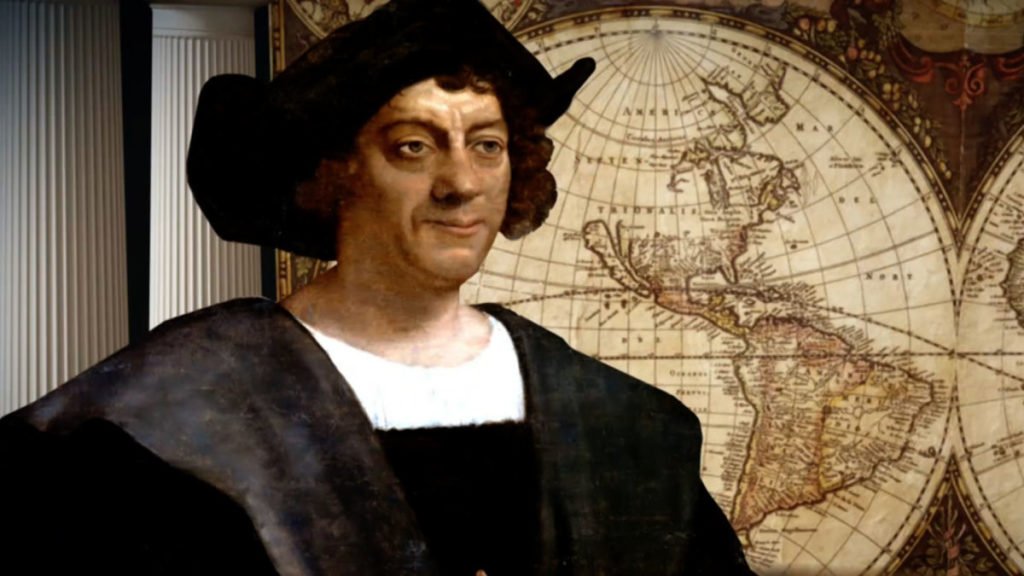
Columbus made four voyages across the Atlantic between 1492 and 1504. His expeditions helped establish lasting connections between Europe and the Americas. These encounters initiated a period of extensive exploration, trade, migration, conquest, and colonization. They were not without consequences.
It is important to recognize that Columbus did not discover an uninhabited continent. Indigenous peoples had lived throughout the Americas for thousands of years, developing diverse cultures, languages, governments, agricultural systems, and trading networks. Furthermore, Norse explorers had reached parts of North America centuries before Columbus’ voyage. His historical importance lies primarily in helping initiate sustained contact between Europe and the Americas, rather than in being the first person to reach the continent.
The celebration of Columbus Day developed over time. Remember the bit about him being Italian? Italian American communities played a particularly important role in establishing the holiday because Columbus became a symbol of their cultural heritage and contributions to American society.
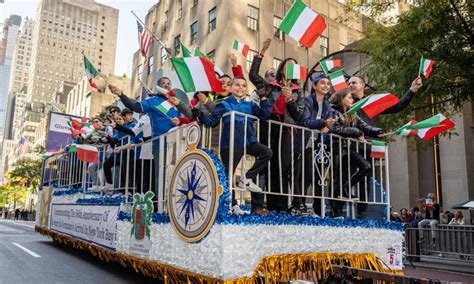
The first recorded celebration of Columbus Day in the United States took place in New York City in 1792, marking the three-hundredth anniversary of Columbus’ arrival. Later celebrations helped strengthen the association between Columbus and Italian American identity. At a time when Italian immigrants often faced discrimination and prejudice, honoring Columbus provided an opportunity to celebrate their heritage and demonstrate their place in American life.
A significant milestone occurred in 1892, when President Benjamin Harrison (that’s him at right, doesn’t he look fun?) encouraged Americans to celebrate the four-hundredth anniversary of Columbus’ voyage. Schools, communities, and civic organizations held events emphasizing patriotism, citizenship, and national unity.

In 1937, President Franklin D. Roosevelt proclaimed Columbus Day a national observance following congressional action. In 1968, Congress established a federal legal framework that placed the holiday on the second Monday in October, with the change taking effect in 1971. This created a regular three-day weekend for federal employees and helped establish the holiday as part of the nation’s annual calendar.
Columbus Day remains a federal holiday, although not every state or local government observes it in the same way. Federal recognition does not require every private business or state institution to close.
And that’s where we are today… er, I mean, tomorrow. But…
For much of American history, Columbus was portrayed as a courageous explorer whose determination helped change the course of history. Textbooks and public celebrations often emphasized his navigational abilities, his willingness to undertake a dangerous voyage, and the historical importance of connecting Europe and the Americas.
For Italian Americans, Columbus Day also became an expression of cultural pride. Columbus’ Italian origins offered a prominent historical figure through whom Italian Americans could celebrate their ancestry. Parades, ceremonies, and community festivals developed into important traditions in cities with large Italian American populations.
Supporters of the holiday have also argued that it recognizes exploration and the historical developments that followed the Atlantic crossings. They view it as an opportunity to celebrate cultural heritage and reflect on the connections among different parts of the world.
Nevertheless, celebrating Columbus as a national hero without examining the broader consequences of his voyages presents an incomplete picture of history. Historical figures can have accomplishments and failures, and a balanced account must consider both.
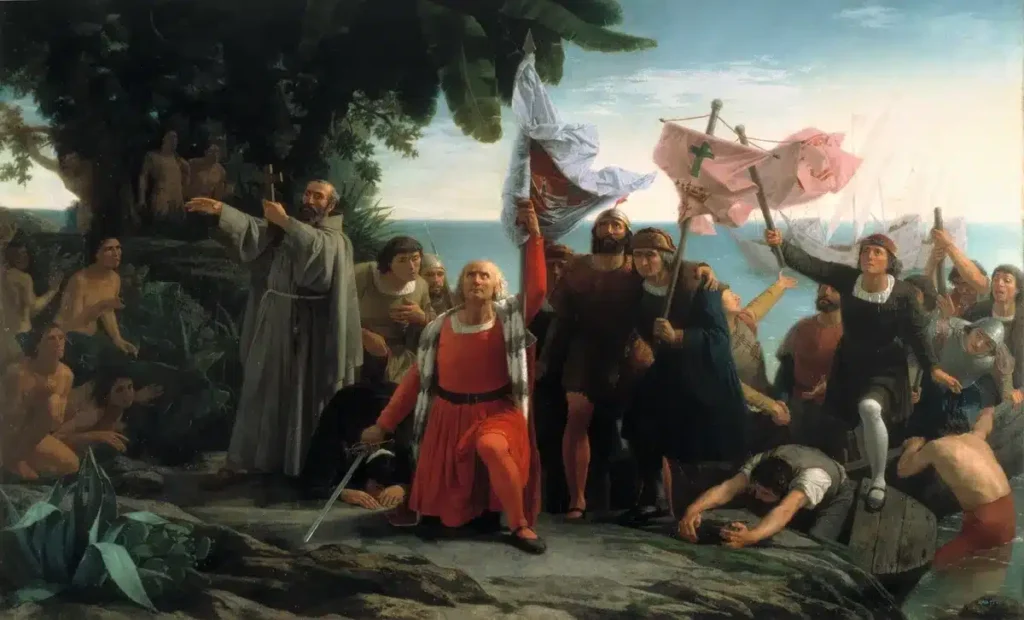
The most significant criticism of Columbus Day concerns the treatment of Indigenous peoples following European arrival. Columbus’ expeditions helped establish a colonial system in the Caribbean that involved forced labor, violence, enslavement, and the seizure of Indigenous lands.
The Taíno people, who inhabited many Caribbean islands, experienced particularly devastating consequences. European colonization brought warfare, exploitation, displacement, and exposure to diseases against which Indigenous populations had limited immunity. These factors contributed to catastrophic population declines, although the effects varied across communities and regions.
Columbus himself participated in colonial practices and governed territories in ways that generated serious complaints. His administration’s treatment of Indigenous people became controversial even among some Spanish authorities of his own time. Understanding these actions is essential to evaluating his historical legacy.
Critics argue that celebrating Columbus without acknowledging this suffering glorifies colonization and overlooks the experiences of the people who already inhabited the Americas. They also point out that Indigenous civilizations possessed rich histories long before European arrival.
This criticism does not mean that the history of Columbus’ voyages should be ignored. Instead, it suggests that historical education should present a fuller account of the encounters, including the perspectives of Indigenous communities and the long-term consequences of colonization.
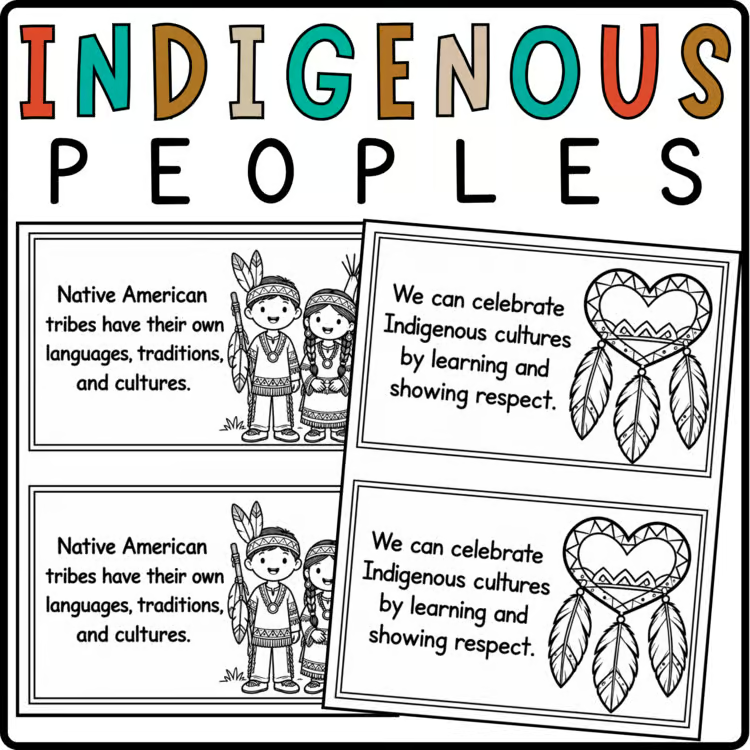
In response to these concerns, many communities have adopted Indigenous Peoples’ Day, observed on the same second Monday in October as Columbus Day in many places. The observance recognizes the histories, cultures, achievements, and continuing presence of Indigenous peoples. The movement gained momentum during the late 20th century.
In 1992, Berkeley, California, became one of the first American cities to replace its Columbus Day observance with Indigenous Peoples’ Day. Other cities, states, and institutions subsequently adopted similar commemorations.
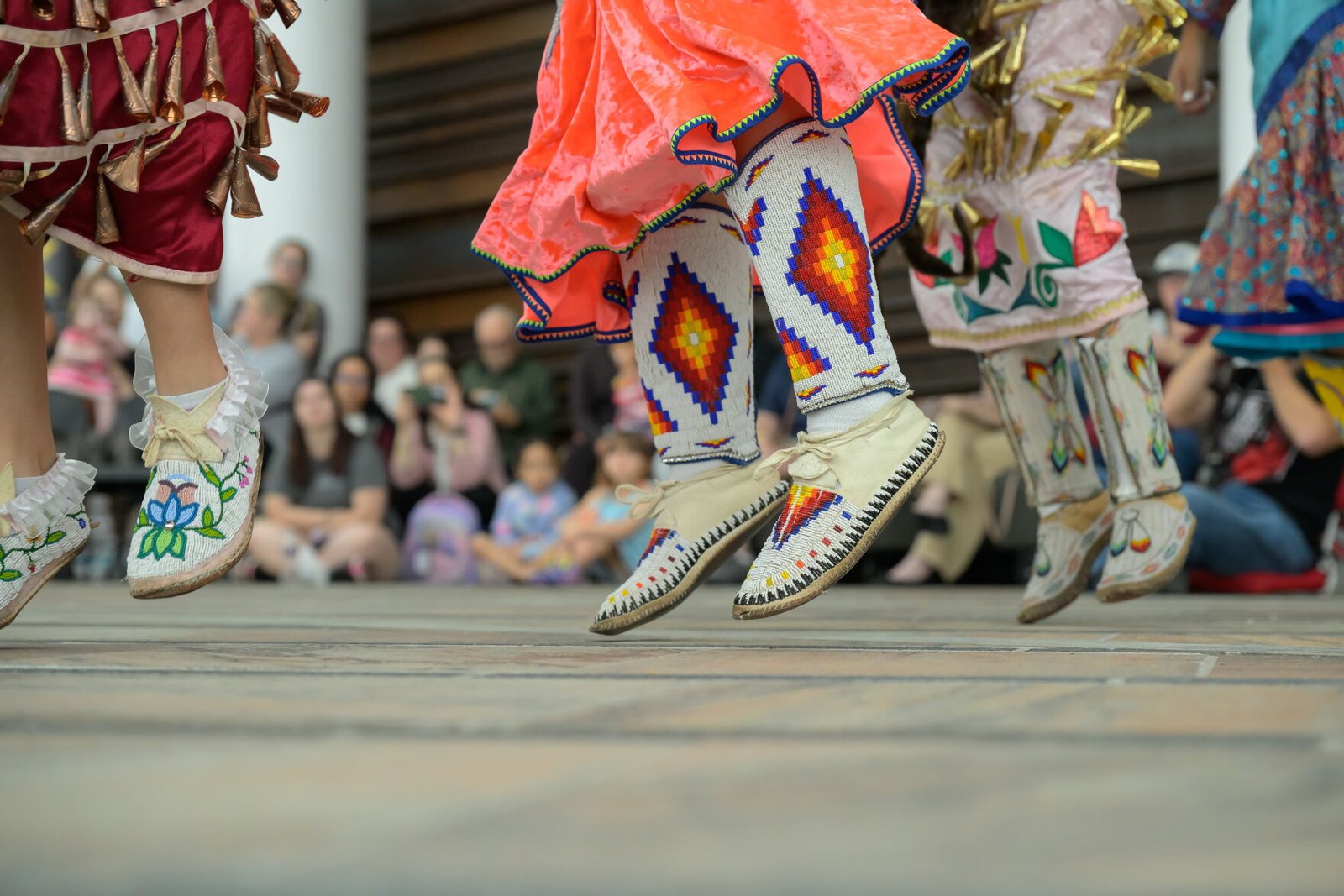
Indigenous Peoples’ Day provides an opportunity to recognize Native American communities as living peoples rather than simply figures from the distant past. Events may include cultural demonstrations, educational programs, traditional performances, and discussions of Indigenous sovereignty and contemporary issues.
The two observances are not always mutually exclusive. Some communities continue to celebrate Columbus Day while also recognizing Indigenous Peoples’ Day. Others have replaced the former with the latter. The differences reflect ongoing debates about which historical figures and events should receive public recognition.
In 2021, President Joe Biden issued a proclamation recognizing Indigenous Peoples’ Day. This federal recognition highlighted the importance of Indigenous history and acknowledged the injustices experienced by Native American communities. Columbus Day nevertheless remains a separate federal holiday.
Today, Columbus Day means different things to different Americans. For some Italian American families, it remains a valued celebration of ancestry, community, and cultural contributions. For others, it is an opportunity to study exploration and the development of transatlantic connections. Still others view the holiday as a painful reminder of conquest and the destruction of Indigenous societies.
These different perspectives demonstrate how public holidays can change as historical understanding develops. The interpretation of the past is influenced not only by historical evidence but also by the experiences and values of the people remembering it.
Schools can use Columbus Day to encourage students to examine primary sources, compare historical interpretations, and distinguish between documented events and traditional stories. Students can investigate the motivations of European explorers, the experiences of Indigenous communities, and the economic and political forces that shaped colonization.
Such an approach promotes critical thinking rather than requiring a single, simplified judgment about history. It also allows Americans to recognize Italian American cultural traditions while taking Indigenous experiences seriously.
Columbus Day has evolved from a celebration of exploration and national pride into a holiday surrounded by important historical and ethical debates. Christopher Columbus’ voyages helped establish lasting connections between Europe and the Americas, but those connections also initiated centuries of colonization that brought immense suffering to Indigenous peoples.
Understanding Columbus Day requires acknowledging both the historical significance of the voyages and the consequences that followed. The holiday also illustrates how cultural traditions can change as societies reconsider their histories and listen to previously overlooked perspectives.

Ultimately, Americans do not have to ignore the past to celebrate cultural heritage, nor must they overlook historical injustice to recognize the significance of exploration. By examining Columbus’ legacy honestly and learning about the histories of Indigenous peoples, the nation can use October’s observances as opportunities for education, reflection, and a more complete understanding of American history. And I hope this post contributed to that.
