Imagine a celebration where death isn’t something to fear, but a reason to celebrate life. Where families gather around colorful altars decorated with flowers, candles, photographs, and favorite foods – not to mourn those they’ve lost, but to welcome their spirits home. Where brightly painted skeletons dance through the streets, sweet bread is eaten, and memories of loved ones are shared in a joyful celebration.
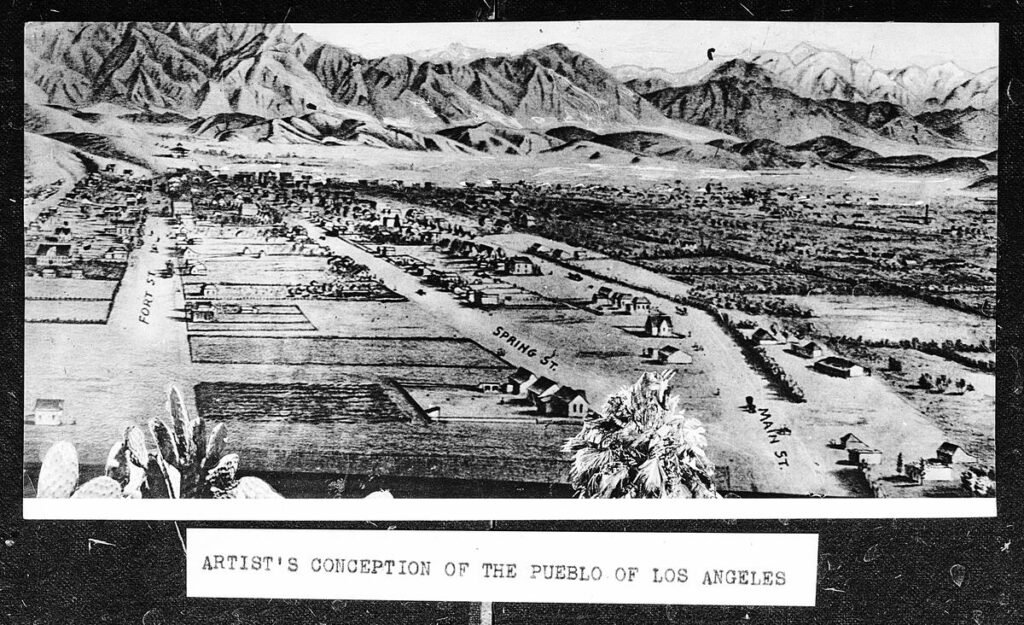
This is Día de los Muertos, or Day of the Dead, one of Mexico’s most fascinating and meaningful cultural traditions. I was exposed to it as a native born Angeleno where, culturally and historically, Los Angeles and Mexico are inseparable. Los Angeles was founded on September 4, 1781 by “The 44 Pobladores” – 11 men, 11 women, and 22 children who had traveled from what is today the Mexican states of Sonora and Sinaloa and settled in a historic area of the city of angels now called Olvera Street.
Celebrated each year on November 1 and 2, Día de los Muertos arrives just as Americans are wrapping up Halloween festivities. The timing, along with the familiar images of skeletons, skulls, and costumes, often leads people to assume the two holidays are essentially the same. But nothing could be further from the truth.
While Halloween embraces the spooky, mysterious, and frightening side of death, and seemingly laughs at that through revelry and costumes (the only time I ever did drag was for a Halloween party one year), Día de los Muertos takes a different approach. It is a celebration of family and the enduring connection between the living and those who have passed away. Some of the symbols are the same, but similarity ends there.
So how did these two holidays develop, what traditions make Día de los Muertos so special, and how did it become part of the broader American cultural landscape? The answers reveal a fascinating story of history, religion, and the many ways people around the world remember those they love.
Día de los Muertos is a traditional Mexican holiday celebrated primarily on November 1 and 2. Its origins date back centuries to indigenous civilizations in Mexico, including the Aztecs, who held ceremonies honoring the dead and viewed death as a natural part of the continuing cycle of life.
Following the Spanish conquest, indigenous customs blended with Catholic traditions introduced by Spanish missionaries. Over time, these influences developed into the modern celebration of Día de los Muertos, which combines indigenous beliefs, Catholic observances, and uniquely Mexican cultural practices.
Unlike occasions focused on mourning, Día de los Muertos is generally a joyful celebration of life, family, and remembrance. Many families believe that during these special days, the spirits of deceased loved ones return temporarily to visit the living. Families prepare welcoming displays, share favorite foods, decorate gravesites, and remember the people who remain an important part of their lives even after death.
The holiday is not about fearing death but recognizing it as a natural part of human existence and celebrating the enduring bonds between generations.
One of the most recognizable features of Día de los Muertos is the colorful ofrenda, or altar, that families create in their homes. These altars are designed to welcome the spirits of deceased relatives and friends.
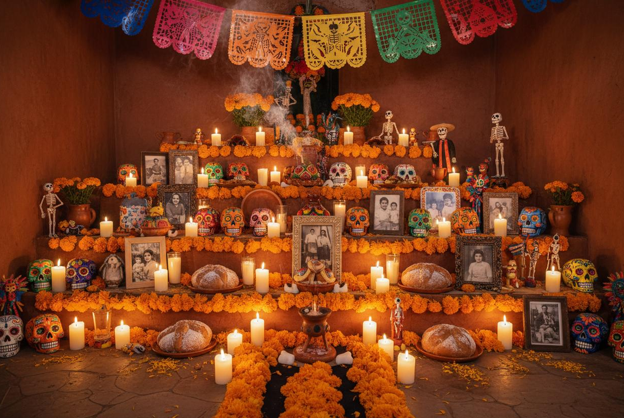
Ofrendas typically include photographs of deceased loved ones, candles, flowers, favorite foods, beverages, and personal belongings. Each item has a particular meaning and helps create a welcoming environment for the returning spirits.
Several other symbols and customs are central to the celebration:
- Marigolds (Cempasúchil): These bright orange and yellow flowers are among the most recognizable symbols of the holiday. Their vivid colors and distinctive fragrance are traditionally believed to help guide the spirits of the dead back to their families.
- Sugar Skulls (Calaveras): Colorfully decorated sugar skulls represent death as a natural part of life. They are often personalized with names and used as decorations or offerings. Rather than being frightening, they reflect the celebratory spirit of the holiday.
- Pan de Muerto: This traditional sweet bread is prepared especially for Día de los Muertos. Its decorations often include dough shaped like bones, symbolizing the connection between life and death.
- Cemetery Visits: Families frequently visit cemeteries to clean and decorate gravesites with flowers, candles, and other offerings. Some spend hours together sharing food, music, stories, and memories of their deceased relatives.
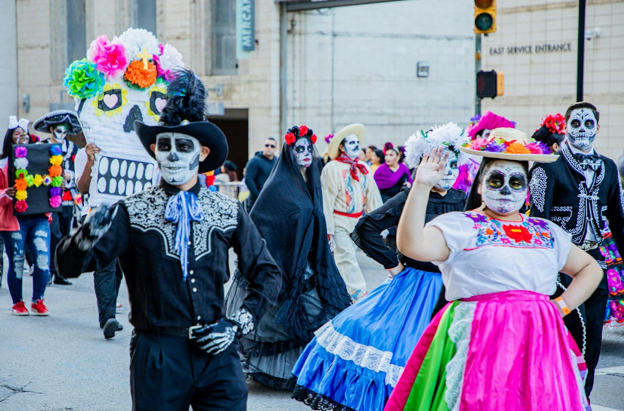
- La Catrina and Face Painting: Many people paint their faces to resemble decorated skeletons. One of the most famous images associated with the holiday is La Catrina, an elegant female skeleton dressed in fashionable clothing. She has become an iconic representation of Día de los Muertos and a reminder that death comes to everyone, regardless of wealth or social standing.
The two primary days of Día de los Muertos traditionally honor different groups of deceased loved ones. November 1st is commonly associated with Día de los Angelitos, or Day of the Little Angels, honoring children who have died. November 2nd is traditionally dedicated to deceased adults and other family members.
Some communities begin their observances on October 31st, with preparations and activities leading into the two main days.
Although customs vary from region to region and family to family, the central purpose remains the same: remembering those who have passed away and celebrating the connections that continue across generations.
At first glance, Halloween and Día de los Muertos might appear to be closely related. Both occur around the end of October and beginning of November, and both feature skeletons, skulls, costumes, and imagery associated with death.
However, their histories and purposes are quite different.
Halloween is celebrated on October 31 and is largely associated with costumes, trick-or-treating, haunted houses, pumpkins, ghosts, witches, and spooky entertainment. For most Americans, it is primarily a secular holiday centered on fun, imagination, and seasonal festivities. And candy.
Día de los Muertos, on the other hand, is centered on family remembrance, honoring deceased loved ones, and celebrating the belief that the spirits of the dead can return to visit their families.
There are also interesting historical connections between the holidays.
Halloween has roots in the ancient Celtic festival of Samhain, which marked the transition from autumn into winter. According to Celtic beliefs, this time of year represented a period when the boundary between the living and the dead was particularly thin and porous, allowing the dead to crossover and “visit” the living.
Christian traditions later established All Saints’ Day on November 1 and All Souls’ Day on November 2. These Catholic observances influenced the timing of Día de los Muertos as indigenous Mexican customs blended with Spanish religious traditions.
Although Halloween and Día de los Muertos developed along different cultural paths, both reflect longstanding human traditions involving death, remembrance, and the relationship between the living and the dead.
Today, Día de los Muertos is increasingly recognized and celebrated throughout the United States, particularly in communities with strong Mexican-American cultural traditions.
Cities such as San Diego and my native Los Angeles in California host public celebrations featuring parades, traditional music, elaborate altars, face painting, cultural exhibits, and community gatherings.
In many American households, families celebrate both holidays. Children might dress up and go trick-or-treating on Halloween night, then participate in Día de los Muertos activities with their families the next day. My ex and I used to get dressed up and attend Halloween in West Hollywood on the 31st – one year we both dressed up as doctors in scrubs with white lab coats and stethoscopes around our necks; when people asked us what we were supposed to be, we told them “a paradox” (it will make sense if you say it out loud) – and then head out to his parents’ house on the 1st for an intimate Día de los Muertos celebration with his family.
It is important, however, to recognize that Día de los Muertos is much more than a Mexican version of Halloween. It is a deeply meaningful cultural tradition with centuries of history and significant spiritual and family connections.
Halloween and Día de los Muertos both acknowledge death and touch on belief in the supernatural, but they approach these subjects from very different perspectives.
While Halloween focuses on fear and sometimes gore, Día de los Muertos is about celebrating the lives of people who have passed away and preserving their memories through family traditions.
Perhaps the most beautiful aspect of Día de los Muertos is its underlying message: death does not have to mean forgetting someone. Through photographs, stories, favorite foods, music, and family gatherings, the memories of loved ones remain part of everyday life.
While Halloween may be the more familiar holiday to many Americans, Día de los Muertos offers a wonderful reminder that cultures around the world have different and meaningful ways of understanding life, death, family, and remembrance.
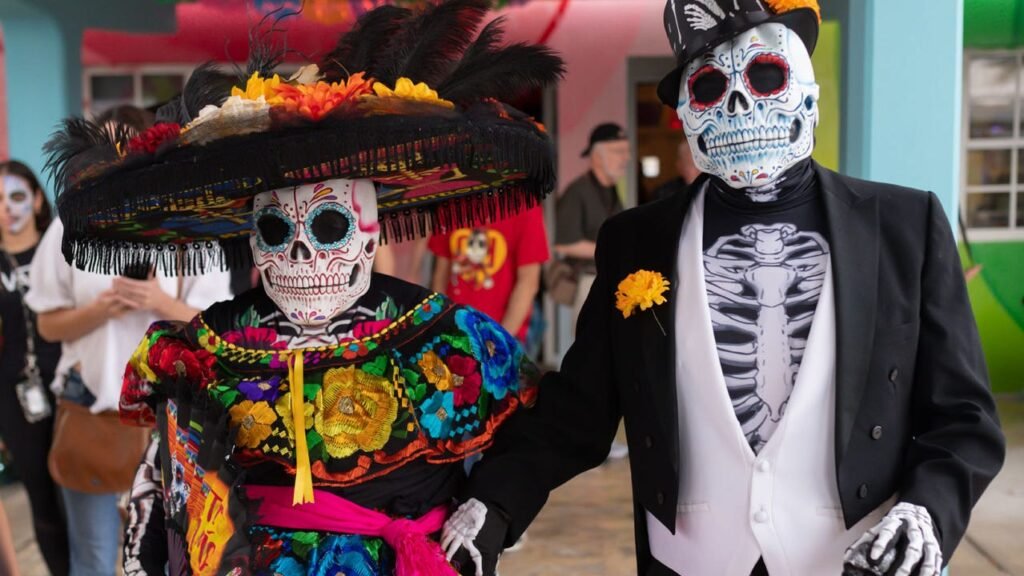
Both holidays bring people together, but Día de los Muertos carries a particularly powerful message: those we love may be gone, but they are never forgotten.
