I am very excited about becoming involved in this, so I hope you’ll bear with me while I try to explain it. I live in the Coachella Valley, located in the heart of Southern California’s low desert (there is one further north known as the “high” desert) renowned for its intense heat, beautiful mountain landscapes, palm trees, golf courses, and rapidly growing communities, such as Palm Springs where I reside. Beneath the stunningly beautiful landscape, however, is a complex ecosystem that depends on countless insects, birds, and native plants. Pollinators such as bees, butterflies, moths, and hummingbirds play an essential role in maintaining healthy ecosystems and supporting plant reproduction.
Recognizing the importance of these animals, The Living Desert Zoo and Gardens in Palm Desert, about 20 miles east of me, has developed the Coachella Valley Pollinator Project, also known as the Pollinator Pathways initiative. The project seeks to restore native habitat, connect fragmented areas of vegetation, conserve water, and educate people about the importance of pollinators.
The Coachella Valley has experienced substantial development over the years. Natural desert areas have been replaced by homes, businesses, roads, agriculture, golf courses, and other forms of human development. Although this development provides important benefits to the people who live here in the valley, it has also reduced and fragmented natural habitat. Wildlife that once moved freely through continuous areas of desert vegetation can now encounter large stretches of pavement, buildings, and landscaping that provide little food or shelter. Pollinators are particularly affected because they depend on plants for nectar, pollen, shelter, and, in some cases, specific plants on which to lay their eggs.
The Living Desert’s Pollinator Pathways project addresses this problem by creating small areas of native habitat throughout developed parts of the Coachella Valley. Rather than attempting to create one enormous protected area, the project uses a network of gardens and restored habitat sites. These areas act as “stepping stones” that allow pollinators and other wildlife to move through landscapes that would otherwise be difficult to cross. A native garden at a school, for example, can provide food and shelter for insects that might otherwise have little suitable habitat nearby. A park or public facility can provide another habitat patch farther along the route. When enough of these patches are established, they can collectively form a more connected ecological network.
Stonewall Gardens Assisted Living, my home, is going to be a stop on the pollinator pathway! Last Friday, we met with Shane and Les from The Living Desert to discuss how we can transform the landscaping of our grounds with native plants they are growing for us in their greenhouse into a “rest stop” for wildlife flying through the valley. We are joining their native garden installations in Desert Hot Springs, Indio, and as far east as the Salton Sea.
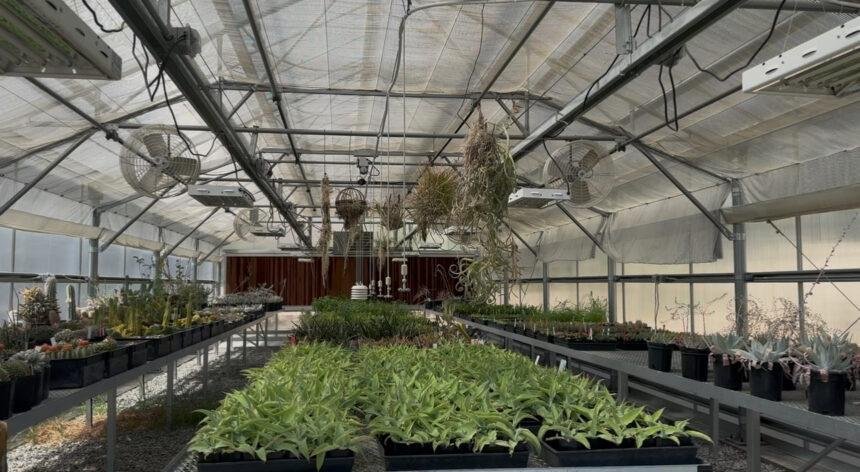
Native plants are at the center of this effort. The Living Desert emphasizes plants that naturally occur in the California desert and that are adapted to the region’s extreme environmental conditions. This is particularly important in the Coachella Valley, where temperatures can become extremely high and water is a limited resource. Native desert plants are adapted to drought and often require significantly less irrigation than traditional ornamental landscaping once they are established. By replacing some water-intensive landscaping with native vegetation, communities can simultaneously provide wildlife habitat and support water conservation.
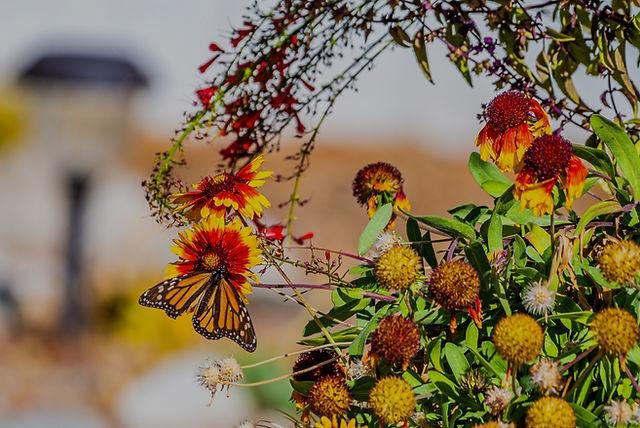
The benefits of native plants extend beyond simply providing flowers for bees and butterflies. Native plants and local wildlife have developed relationships over long periods of time. Some insects depend on particular plant species for food or reproduction, meaning that planting native vegetation can provide resources that generic ornamental plants may not. Native gardens can therefore support a wider range of organisms and contribute to the overall biodiversity of the region. The project specifically aims to benefit monarch butterflies and native insects, while also creating habitat that can be used by other wildlife.
The scale of the Pollinator Pathways initiative has expanded considerably beyond the grounds of The Living Desert itself. The organization has established more than 30 gardens in urbanized areas of the East Valley, particularly at schools, and has begun expanding its work into other communities. Larger regional plans have included habitat restoration and public pollinator gardens in numerous locations throughout the Coachella Valley, such as here at Stonewall Gardens. These projects demonstrate that conservation does not have to take place only in remote wilderness areas. It can also occur in schools, parks, neighborhoods, assisted living communities, and other places where people live and work every day.
This community-based approach is one of the most important aspects of the project. A conservation area located far from a city may protect wildlife, but a garden located at a school can accomplish several goals simultaneously. It can provide habitat, introduce children to native plants and insects, demonstrate water-wise landscaping, and give residents a visible example of conservation. The project therefore connects environmental protection with education and community involvement. Instead of treating conservation as something separate from everyday life, the Pollinator Pathways initiative brings it directly into the places where people spend their time.
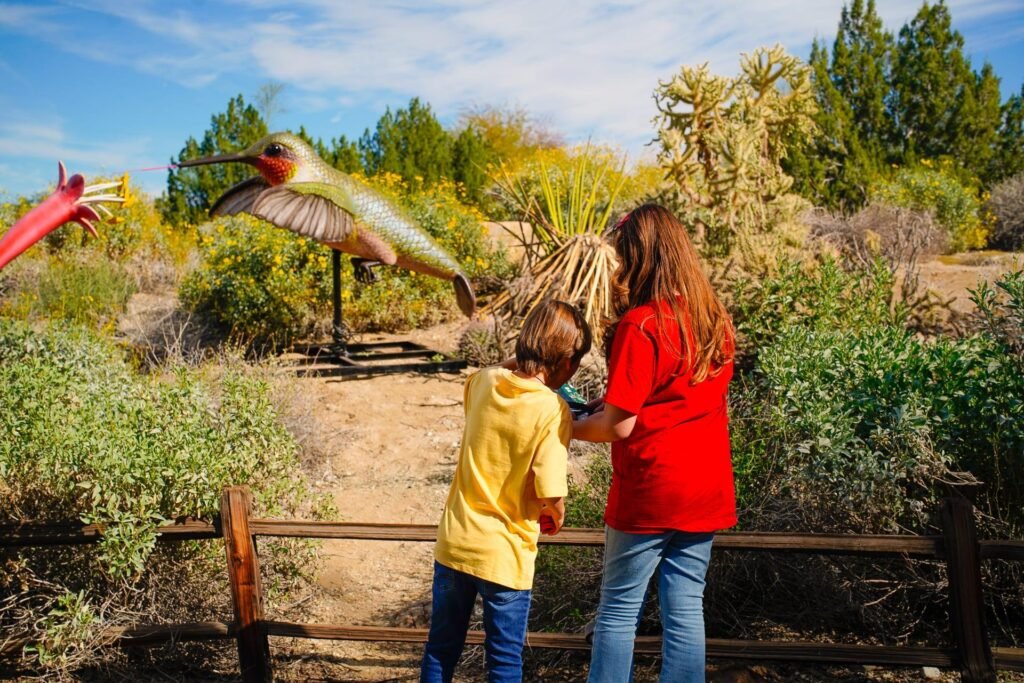
The Living Desert also incorporates pollinator education into its visitor programs. Through experiences such as “Mission: Pollination!,” visitors can learn about bees, butterflies, and other pollinating animals and discover why these creatures are important. Interactive exhibits and activities help make an ecological subject understandable and engaging for children and adults alike. Education is an important part of conservation because people are more likely to protect ecosystems when they understand how those ecosystems function and why they matter.
The project also illustrates a broader change in the way desert conservation can be understood. Protecting large areas of undeveloped desert remains extremely important, but conservation in a rapidly developing region cannot rely solely on large protected areas. Wildlife must often move through landscapes that contain homes, businesses, roads, and other human infrastructure. Creating smaller patches of suitable habitat can make these developed landscapes more useful to wildlife. Although a pollinator garden cannot replace a large area of intact desert, a network of many gardens and restored areas can help make the overall landscape more environmentally friendly.
The Coachella Valley Pollinator Project is therefore about more than bees and butterflies. It represents an effort to balance human development with the ecological needs of the desert. By restoring native plants, conserving water, creating habitat corridors, and educating residents, The Living Desert is helping communities understand that conservation can take place close to home. A schoolyard garden, a public park, or a native landscape around the grounds of Stonewall Gardens may seem small when considered individually, but together these spaces can contribute to a much larger environmental network. One that is kind to wildlife and beautiful to the humans sharing the land with them.
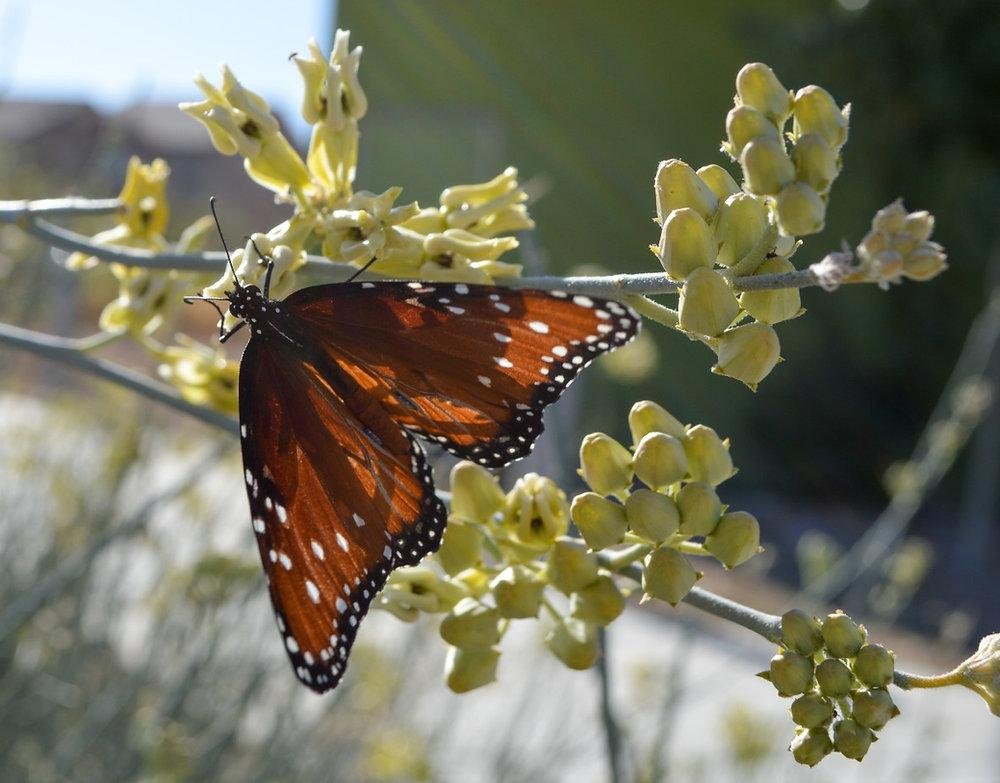
Ultimately, the Pollinator Pathways initiative demonstrates that protecting nature does not always require choosing between people and wildlife. Thoughtful landscaping and habitat restoration can allow communities to remain comfortable and functional (and beautiful) while also providing important resources for native species. In the Coachella Valley, where development and environmental pressures continue to shape the landscape, projects like this provide a practical way for residents to participate in conservation. The Living Desert’s work shows that even small patches of native habitat can have a larger purpose: helping reconnect a fragmented ecosystem and ensuring that pollinators continue to have a place in the desert for generations to come. Now we can say that at Stonewall, we not only put the ‘G’ in gay, we also put it in gardens!
