
If you’ve ever watched Friends, chances are Matthew Perry made you laugh. Whether it was one of Chandler Bing’s sarcastic remarks, his perfectly timed expressions, or his hilarious back-and-forth with Joey, he had a gift for making people smile.
That’s what makes watching Netflix’s The One About Matthew Perry so difficult. You spend years watching someone bring you laughter, watching someone so ubiquitous that you almost feel you know him, ironically like a friend, only to discover just how much pain he was experiencing away from the cameras.
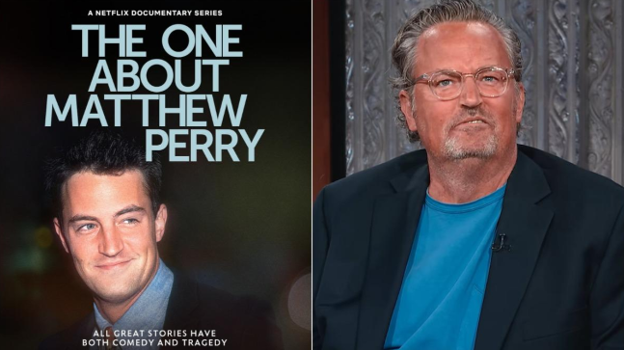
This three-part documentary that premiered on Netflix last Tuesday takes us behind the familiar television persona and into the life of a man whose incredible professional success, worldwide fame, and extraordinary wealth was overshadowed by a decades-long struggle with addiction.
It’s a fascinating, emotional, and ultimately heartbreaking story. It is not easy to watch. This was not your typical “behind the scenes” exposé, as much of what is covered is already widely known. But hearing the story from his friends and loved ones who lived it with him, and from Matthew himself, made it particularly personal.
And real.
Matthew Perry’s journey to stardom is certainly interesting. In a fashion that is typical for these sorts of series, Part One of the documentary takes us back to his childhood, his early acting ambitions, and his determination to make it in Hollywood. His big break came when he landed the role of Chandler Bing on Friends.

Few television shows have had the cultural impact of Friends. For ten seasons, six young actors became part of our everyday lives. We watched their relationships, their careers, their arguments, and their adventures. We laughed along with them and, in a strange way, felt like we knew them. The show’s opening theme song was on the radio:
So no one told you life was going to be this way.
Your job’s a joke, you’re broke, your love life’s DOA.
It’s like you’re always stuck in second gear,
When it hasn’t been your day, your week, your month, or even your year.
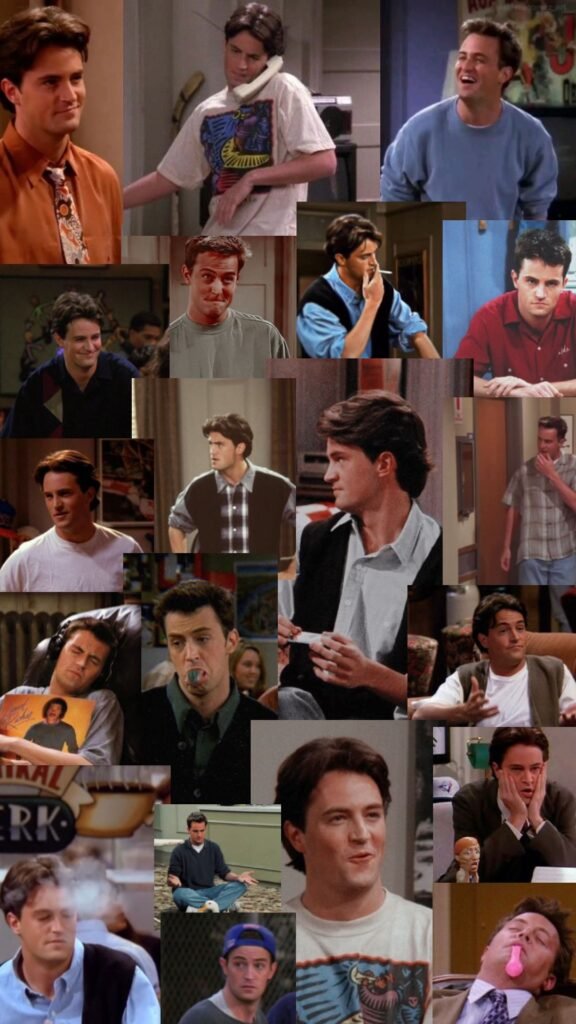
The show “worked” because their 20-something struggles were what we all went through in our twenties, and this was especially true of Chandler, played by Matthew Perry with sarcastic humor and comic vulnerability – I know that I related to his awkwardness, and how he made it okay to not have everything all figured out.
But here’s where the story takes a very different turn.
While we laughed at Chandler’s jokes, Matthew Perry was dealing with serious personal problems. The man who seemed to have everything was fighting a battle that no amount of fame and fortune could fix.
Part Two is probably the most difficult part of the documentary to watch.
Perry’s struggle with addiction began with prescription pain medication following a jet skiing injury. Over time, his dependence on medication and alcohol became increasingly destructive. There’s an almost Shakespearean element to the tragedy.
What makes his story especially sad is that he wasn’t someone who simply gave up. He tried repeatedly to get sober. He went through rehabilitation programs, sought treatment, and made numerous attempts to regain control of his life. But addiction is an incredibly difficult opponent.
The documentary dives into how his struggles affected his relationships, his career, his finances, and virtually every aspect of his life. It also challenges a common misconception: that money, fame, and access to the best doctors can somehow protect someone from tragic consequences. Clearly, they cannot.
Watching the people closest to Perry describe what they witnessed makes the story even more personal. You begin to understand that behind the celebrity headlines was a real person struggling to find a way out of a very deep and dark hole.
One of the things I appreciated most about the documentary was hearing from people who actually knew Matthew Perry.
His sister, Mia Perry Bowick, and several longtime friends offer personal recollections that help paint a picture of the man behind the celebrity. Actor Kevin Pollak and others who knew him professionally also contribute their perspectives. The personal photographs, family videos, and archival footage are particularly interesting. They remind us that Perry had an entire life outside the Hollywood spotlight. That he was a person, not just a character on a screen.
One thing I did find disappointing was the absence of interviews with his five Friends co-stars: Jennifer Aniston, Courteney Cox, Lisa Kudrow, Matt LeBlanc, and David Schwimmer. Considering how many years they spent together and how closely their lives were intertwined, I would have liked to hear their personal reflections.
The final part of the documentary focuses on Perry’s later years, how close to death he was when his colon ruptured, three months in the hospital (a hell to which I can relate), his attempts to maintain sobriety, and his desire to help other people struggling with addiction. He had become increasingly open about his experiences and wanted to use what he had learned to make a difference in other people’s lives.
Sadly, his story ended on October 28, 2023, when he died at the age of 54.
His death was attributed to the acute effects of ketamine, with drowning and other contributing factors identified. The circumstances surrounding his treatment and death are difficult to watch unfold, particularly when you realize how much he had struggled to get his life back on track.
Perhaps the saddest part is that he seemed to have found a purpose beyond acting: helping others who were fighting the same battle. Unfortunately, he never got the opportunity to see just how much of a difference he might have made.
I finished the series last night, had a bit of a cry, and this morning downloaded his autobiography, Friends, Lovers, and the Big Terrible Thing, to my Kindle.
I am not afflicted by addiction (unless you count ice cream), but I have a peculiar interest in reading the stories of people who struggle – perhaps because I so identify with them on account of my own struggles as concern my health. The book opens with this line:
Hi, my name is Matthew, although you may know me by another name.
My friends call me Matty.
And I should be dead.

When I think about Matthew Perry, I’ll always remember Chandler Bing. I’ll remember the sarcastic comments, the awkward expressions, the hilarious conversations with Joey, and the countless times he made me laugh.
But after watching this documentary, I also find myself thinking about Matthew Perry the person. A talented actor. A complicated man. Someone who struggled, made mistakes, tried repeatedly to overcome his demons, and genuinely wanted to help others by honestly sharing the highlights and especially the low lights of his journey.
It’s easy to remember celebrities for the characters they played. Sometimes it’s more important to remember the human beings behind those characters. Matthew Perry gave us years of laughter. His story also gives us a powerful reminder about addiction, compassion, and the importance of reaching out to people who may be struggling.
Chandler Bing will always make us laugh.
Matthew Perry’s story will hopefully make us think.
